CHAT had a lot to say about the blog post, heres their input –
Littlenobody FABLES is a series of creature armature builds created as physical character references for SORA 2, with the goal of producing a handcrafted animated short exploring fables, morality tales and emotion. Every puppet, prop and environment is built by hand first, giving the AI tangible references that share the same textures, imperfections and visual language.
More Than Just a Prop
Some characters carry a sword.
Some wear a hat.
For Pip, it’s an acorn.
Long before the animation begins, I wanted the acorn to become something more than woodland decoration. It would be an object he constantly carries, fiddles with, protects and occasionally forgets. A small detail that quietly tells the audience who he is.
That meant building real acorns instead of relying on digital props later.
Starting with Nature
Rather than sculpting everything from scratch, I used real acorns as the foundation.
The natural shells already contain all the tiny asymmetries, colour variations and imperfections that would be difficult to reproduce by hand. By building onto nature instead of replacing it, each prop immediately feels authentic.
Every acorn is slightly different, just like the woodland floor they’re destined to live on.
Sculpting the Caps
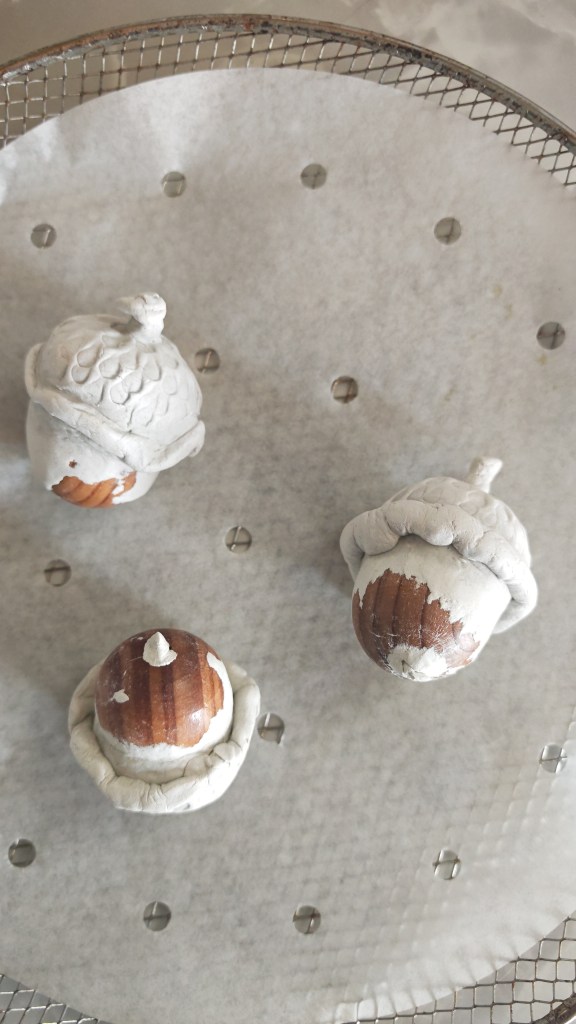
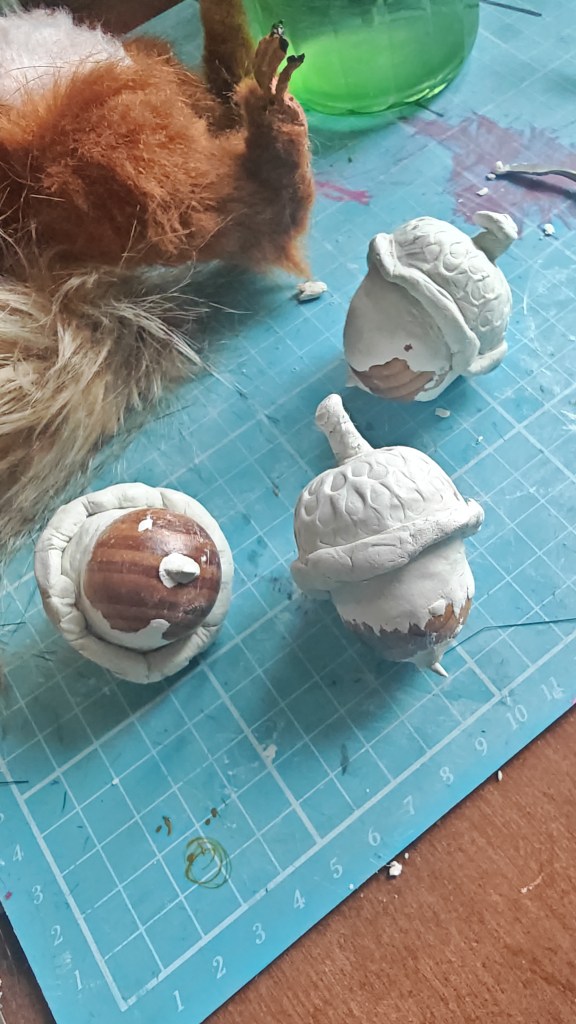
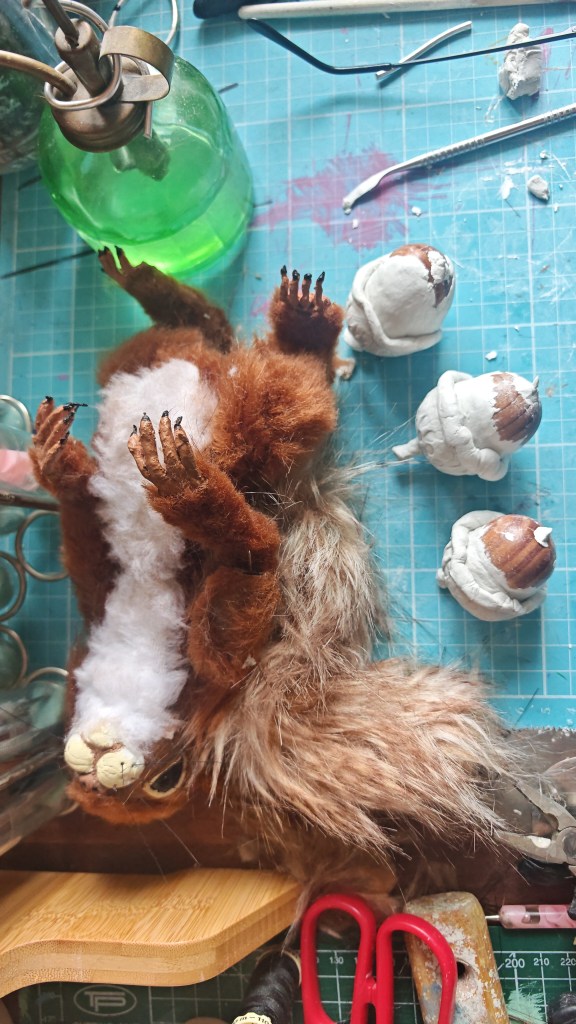
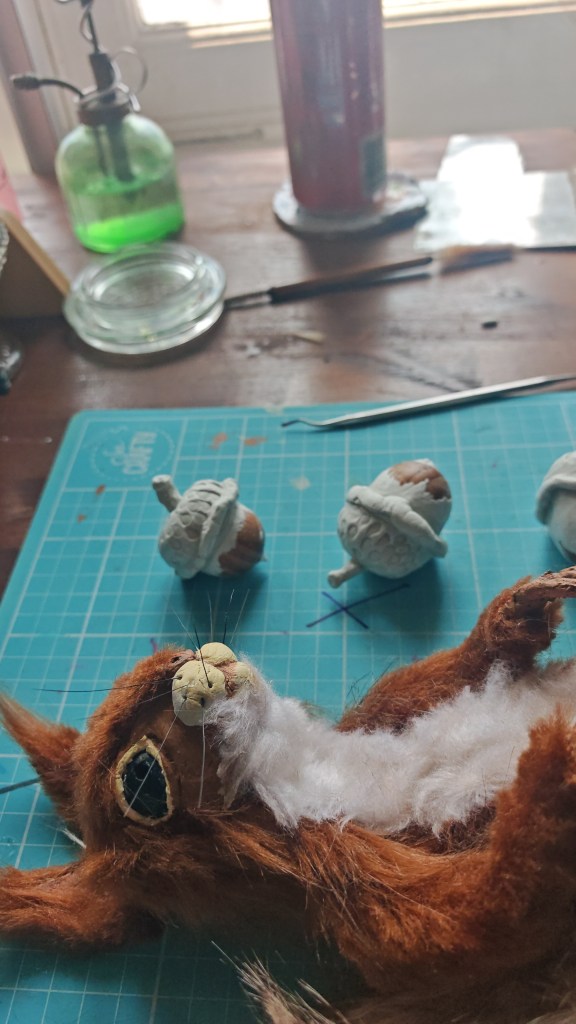
Using air-drying clay, I sculpted oversized caps around each shell before carving individual scales into the surface.
Some were kept fairly traditional while others became much more stylised, exaggerating the rounded forms to better suit the handcrafted aesthetic of Littlenobody FABLES.
Making several versions also gives me options during filming. Not every acorn in the forest should look identical, and subtle variation helps the world feel lived in.
Drying Before the Details
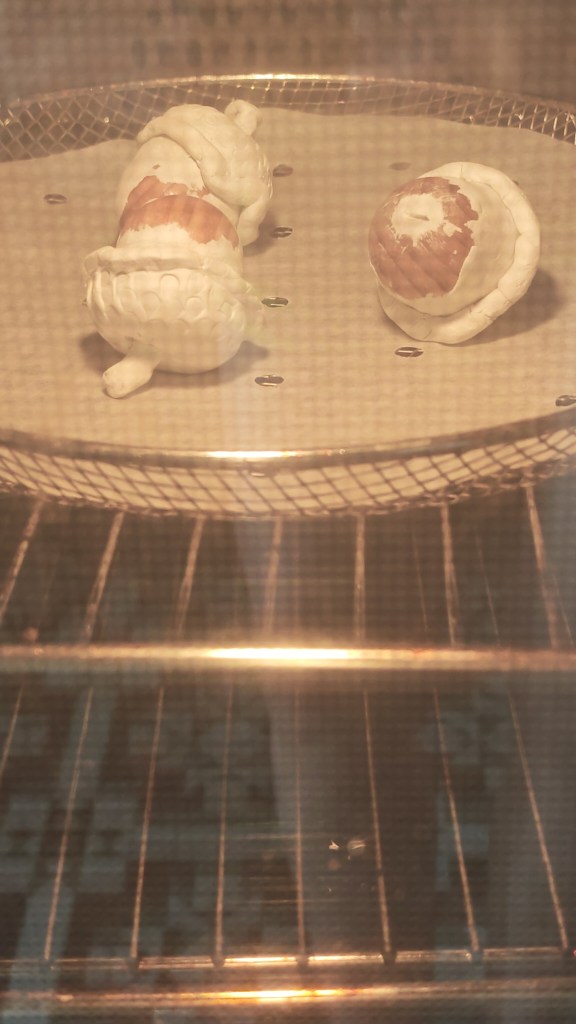
Once sculpted, the acorns were left to dry thoroughly before any sanding or painting could begin.
It’s always tempting to rush this stage, but patience usually produces cleaner results. Allowing the clay to cure properly prevents fragile details from softening or breaking during finishing.
Sometimes the best progress comes from simply leaving the work alone for a few hours.
A Character’s Signature
One unexpected realisation during this process was how important these tiny props could become.
Pip is almost always holding an acorn somewhere in the story. It becomes something to clutch when nervous, roll between his fingers while thinking, offer to another character, or absent-mindedly bury before wandering off.
Those small actions communicate personality far more naturally than dialogue ever could.
Building a Woodland Language
Creating props alongside the puppet helps establish a consistent visual language across the entire project.
The handmade clay, real wood textures and slightly imperfect finish all reinforce the feeling that everything belongs in the same woodland. Nothing feels mass-produced or overly polished.
The acorns may only occupy a few frames at a time, but they’ll quietly appear throughout the film, becoming one of Pip’s defining visual motifs.
Discover more from | Creative Blog
Subscribe to get the latest posts sent to your email.

